Why Table Partitioning Does Not Speed Up Query Performance (video)
Category:
query-performance
Learn why SQL Server’s table partitioning feature doesn’t make your queries faster– and may even make them slower.
Learn why SQL Server’s table partitioning feature doesn’t make your queries faster– and may even make them slower.

Want to learn more about managing statistics updates in SQL Server? Watch my 27 minute presentation on managing statistics.

I’ve been asked a lot of questions about updating statistics in SQL Server over the years. And I’ve asked a lot of questions myself! Here’s a rundown of all the practical questions that I tend to get about how to maintain these in SQL Server.

What are statistics? How often should you update them? Do you need a trace flag to make this easier? What are duplicate statistics, and do you need to drop them?
Join me for a live Hangout on Monday, April 18 at 8:30 AM Pacific / 11:30 AM Eastern to up your maintenance game!
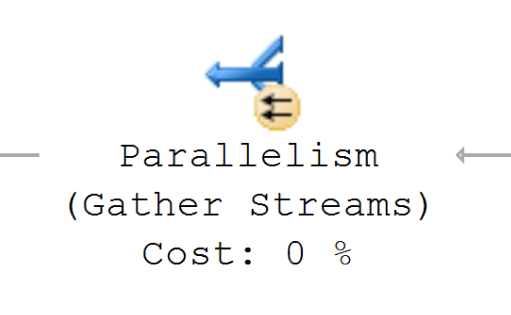
The best features are the ones that you use all the time. SQL Server 2016 Management Studio’s bringing improvements in navigating around execution plans.
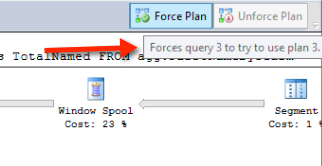
SQL Server 2016’s Query Store feature promises to be better than Plan Guides ever were. The Query Store lets you track query performance, collect execution plans, and force a specific plan if you notice that a query is sometimes fast, and sometimes slow.
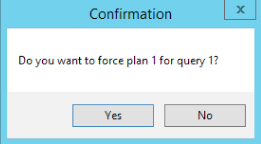
Whenever you’ve got a new feature, one of the first things to ask is, “What happens when I break it?”
Because we’re going to break stuff.
Copyright (c) 2025, Catalyze SQL, LLC; all rights reserved. Opinions expressed on this site are solely those of Kendra Little of Catalyze SQL, LLC. Content policy: Short excerpts of blog posts (3 sentences) may be republished, but longer excerpts and artwork cannot be shared without explicit permission.