
The Case of the Blocking Online Index Create- the Shared Lock that Would Not Quit
Category:
index-tuning
, sql-server
I recently got an interesting question from a reader about running a CREATE INDEX statement with DROP_EXISTING
I recently got an interesting question from a reader about running a CREATE INDEX statement with DROP_EXISTING

I’ve never claimed to be great at math, but until recently I thought I knew how to count to one. Zero… one. That’s what we learned in kindergarten.
Apparently SQL Server didn’t go to kindergarten.

Over the years, I’ve come across a pattern fairly frequently: an application in an OLTP database periodically creates new tables, loads some data into them and fixes it up, then does a switcheroo and replaces old tables with the new tables.
This can cause major problems with blocking if anyone else is querying the table.
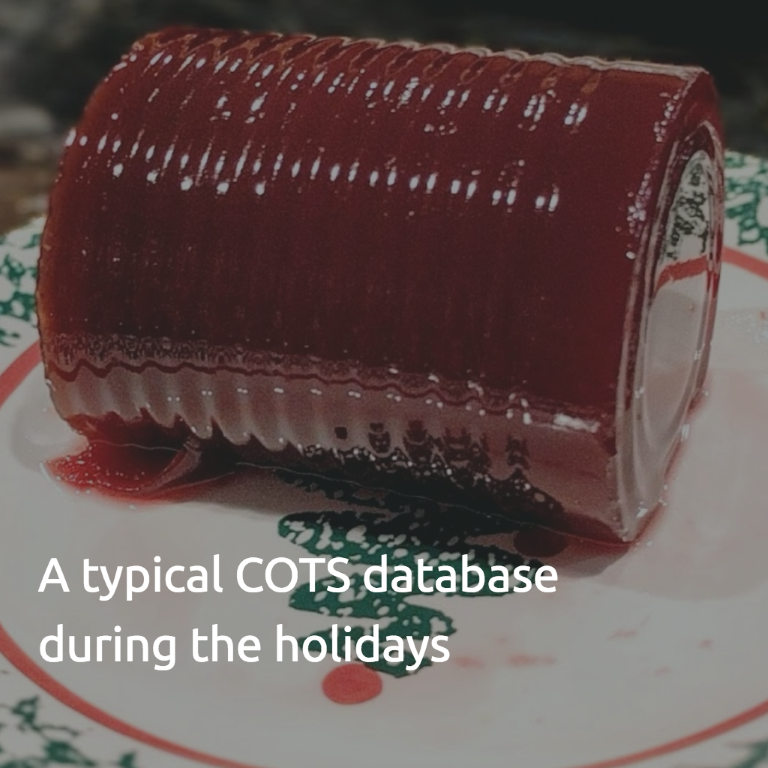
I recently received a question from a vendor about databases created by software vendors.

Short answer: the SQL Server optimizer will know that the table was truncated, but statistics might not update when you expect.
For the long answer, let’s walk through an example using the WideWorldImporters sample database.
Whether I’m working as a DBA, a consultant, a teacher, or just answering questions in my inbox, I always end up needing a script to inspect statistics one way or another.
Here are some freshly written scripts for a classic DBA question: what’s going on in my stats?
The bigger your indexes are, the harder your index maintenance falls. Is it better to rebuild big indexes? Or should you reorganize?
Copyright (c) 2025, Catalyze SQL, LLC; all rights reserved. Opinions expressed on this site are solely those of Kendra Little of Catalyze SQL, LLC. Content policy: Short excerpts of blog posts (3 sentences) may be republished, but longer excerpts and artwork cannot be shared without explicit permission.